

HAPPY NEW YEAR!
If newsletters at the end of the year are full of reflections and top 10 lists, the first issue of the new year often looks ahead, forecasting key trends and issues.
Given what has already transpired just in the first 9 days of 2026 though, I’m not going to attempt at predicting anything. I’m not big on New Year resolutions either.
What I do hope to do is to set a tone for the year(s) ahead, personally as well as for Thin Ink, on how we can be active participants, not just passive recipients, amid the ever-increasing din of rancour, individualism, misogyny and xenophobia.
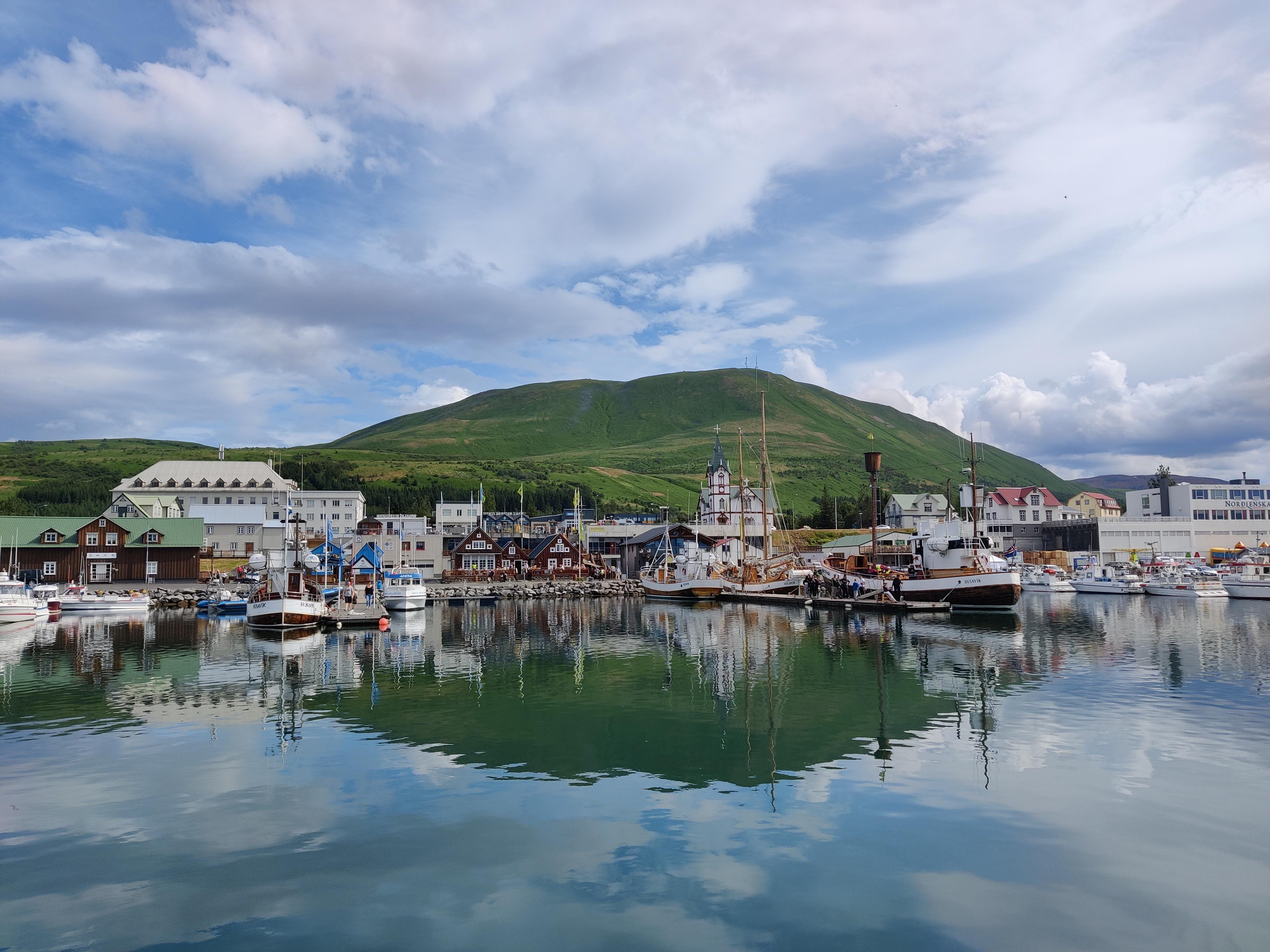
My name is Thin and I’m a foodie.
There. I said it.
I love everything that has to do with food: buying it, making it, eating it, watching it, planning for it, talking, reading and writing about it, investigating it. It gives me an enormous amount of joy.
My love language, in fact, is food: feeding others and taking pleasure in being fed. In many instances, a good meal has been a salve for a bruised soul.
Over the past few years, though, ambivalence crept in as the climate impacts of our diets became clearer, and the term “foodie” itself became a cringeworthy label associated with globe-trotting food porn, chasing an experience at the next best restaurant/bar/food stall, and documenting it all online.
I felt guilty for not becoming a vegetarian. I felt guilty for enjoying crisps instead of following the EAT-Lancet diet. I felt guilty for planning my holidays around meals.
I felt guilty despite knowing full well that we live within deeply unequal food systems, where my supposed “freedom” to choose what I buy or eat is, to a large extent, an illusion. I felt guilty despite constantly pointing out how a small number of powerful actors manipulate the system. I felt guilty despite warning other journalists to be wary of consumer-shaming and consumer-blaming narratives.
Then two encounters at the tail end of 2025 made me stop and REALLY reflect on all this.
The Sparks
The first was a heated argument that started with - what else? - U.S. politics.
The other party had lived there for a long time. They thought what was happening there wasn’t “that bad”, believed people shouldn’t be judged as ‘good’ or ‘bad’ because we are all shades of grey, and insisted dialogue was the solution. Fair enough. The latter two, in fact, are positions I usually admire.
But they also saw performing a Hitler salute in public, and aligning politically with groups sympathetic to Nazi values, as just another shade of grey. They argued that dismantling USAID was justifiable because it reflected the will of voters, and that American citizens are not responsible for solving the world’s problems. They were uninterested when I explained how many USAID policies benefited Americans themselves, diplomatically and financially.
When I got upset, I was told they were “just asking questions”, that I was being too emotional, and that by judging some people’s actions and rhetoric as racist, misogynistic, or climate-denying, I was simply trying to prove I was a better human.
I don’t usually engage in political arguments, especially if it’s online, because I rarely see the point. But I couldn’t let this go, particularly when they suggested there was little real-world harm in how the current occupant of the White House and its acolytes were behaving. Obviously, this was before Venezuela, though I doubt it would have changed their view.
We ultimately parted on good-ish terms but it really left a bitter aftertaste. It also gave me a sobering insight into why things are the way they are.
As Carolyn Hax once put it, “Misogyny and racism are not “political disagreements,” they’re crap values”. I genuinely don’t know how to explain to people who see these as valid political positions that they are not.
The second spark was an Instagram video I came across a couple of days later. The first 40 seconds made me laugh out loud, and then wince in recognition, because I’ve seen versions of this argument over and over again.
It was a video by Scottish comedian Daniel Sloss, poking fun at how parts of left-wing and progressive spaces undermine themselves by insisting on moral and consumer purism. This is a dynamic that’s unfortunately very familiar to anyone engaged in debates about consumption, food, and climate.
I realised that this, in some ways, was exactly what I had been accused of in that earlier argument. But I see these two things very differently.
To me, refusing to tolerate racism, authoritarianism, or climate denial is not the same as demanding moral perfection from individuals navigating broken systems.
The former is about drawing non-negotiable lines around harm and power, the latter is about recognising that most of us are doing the best we can with limited choices, imperfect information, and unequal constraints.
These are two very different phenomena that should not be conflated. Unfortunately, they often get conflated and the resulting confusion, I’ve come to believe, is making us harder on one another at precisely the moment we need more grace and more collective courage.
Welcome to the real Big Tent
So yes, I’m a foodie, and I am still a long way away from where I would ideally like to be.
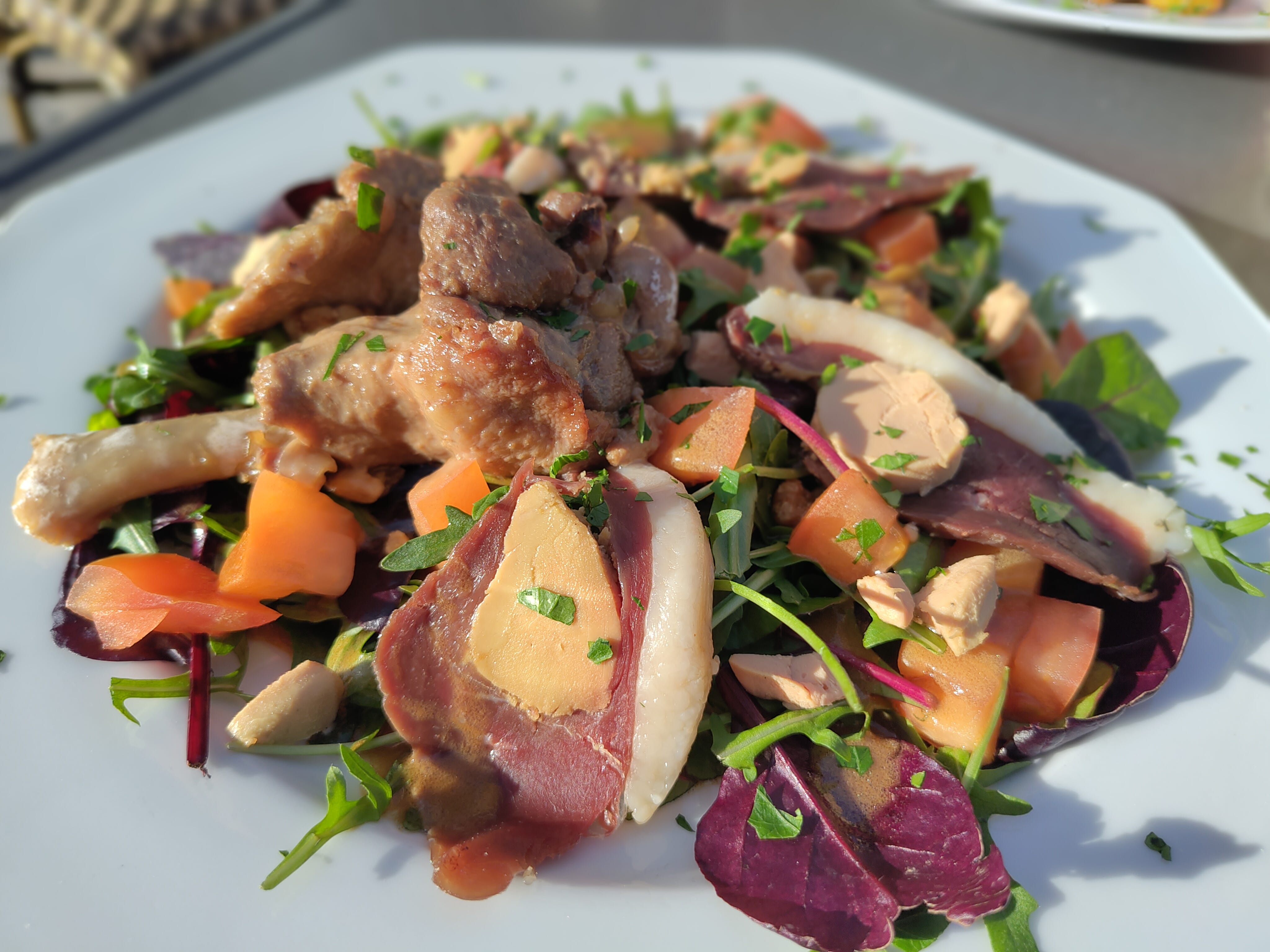
I love white rice, duck, bacon, comté, and chicken wings, usually in that order. I also love octopus, despite knowing it is supposed to be one of the smartest animals on earth.
I don’t eat nearly enough pulses. I need to get better at reading labels, like the time I proudly bought asparagus at a farmer’s market, only to realise later it had travelled halfway around the world. This is not always a problem (see here) but shouldn’t be the norm.
But I am trying. For much of the past year, I’ve made sure there’s a vegetarian dish whenever and wherever we eat, whether as a side or a main. I eat more seasonal and more fruit. I already love nuts, and I’m lucky enough to be able to afford them.
I last ate a burger four weeks ago and steak eight weeks ago. I think summer was the last time I ate lamb. I used to feel intense guilt about eating ruminants; now I’ve made peace with both the frequency of my consumption and the fact that I may never become a vegetarian.
I do 80% of my grocery shopping at the farmers’ market (I’m lucky enough to live in a place where having one within walking distance is perfectly normal), stock up a lot of dried foods at the store that doesn’t use plastic packaging, and support local, artisanal brands whenever I can.
And yes, I fly quite a bit for work. In 2025, that meant four intercontinental flights plus multiple regional ones. So I try to reduce the impact where possible. Do I really need to be there? Can I take the train instead, even if it’s slower or more expensive? When at home, we almost always walk or rely on public transport. When we do drive, we go electric.
I’m not saying any of this to shame you. That is the furthest thing from my mind. This is simply me being honest about where I am, and where I want to be. Go at your own pace.
The key point is this: rejecting purism does not mean rejecting responsibility.
Yes, the systems are skewed and inequality is stark, but we can still do our part, to the fullest extent that we can, whenever we can. Not everyone has the same resources, choices, or room to manoeuvre.
Take Sacramento, the state capital of California.
I was there three summers ago with 10 other folks working in the climate and conservation space. Our hotel didn’t offer breakfast and since we were staying a few days, some of them decided to buy fruit they could eat each morning. I stayed behind to meet deadlines.
When they returned nearly three hours later, they explained why it took so long. Shop after shop they visited had full shelves but almost exclusively of ultra-processed foods and ready-made meals. It took nearly 90 minutes of walking to find a supermarket large enough to sell fresh produce.
This is what people mean by food deserts (where fresh food is hard to find) and food swamps (where unhealthy food options overwhelmingly outnumber healthy ones).
I’m reminded, too, of a conversation I once had with a public health expert in Myanmar. She explained how a key driver of maternal mortality is the lack of a nutritious diet, particularly in rural areas. Poverty and tradition often leave families relying almost entirely on rice and a handful of vegetables, with too few dark leafy greens or protein sources.
So what we need is the real Big Tent.
A tent where anyone who wants to see fairer, greener, and healthier food systems are welcome, even if they eat meat, fly, drive, enjoy shopping, or haven’t figured it all out yet. It’s about inclusion but there’s integrity too.
It should not be confused with the “Big Tent” of mutistakeholderism, which treats corporate actors with deep pockets and immense political power as equivalent to civil society groups, marginalised communities, and smallscale food producers who are poor, hungry, or both.
Collective Grace & Collective Courage
At the same time, those of us with voices, platforms, and access must push for change at a higher level, because staying safe and healthy is not merely an individual responsibility. It is a political one too.
This is why I remain committed to amplifying the work of journalists, activists, farmers, academics, public officials who are fighting for better food systems, often against overwhelming odds.
As Sofia DeMartino wrote in this blistering piece on food policies in the United States:
“In a most nonsensical exploration of how far we can take the concept of “personal responsibility”, we tell people to meditate, hydrate, read labels, log steps, manage stress, overhaul their diets - meanwhile the policies shaping their actual health outcomes are being quietly dismantled or blocked in Congress.”
So yes, I’m reclaiming the foodie label.
And I’ll leave you with this quote from a wonderful recent essay by Alicia Kennedy that I came across while writing this. It perfectly encapsulates how I feel, what I want to be, and where we can go.
“There’s a fundamental tension at the heart of foodie culture: everyone must eat, making food more universal than music or theater - yet class inequities shape how we do it, turning appetite into a marker of status. This is precisely why the term matters. Unlike other cultural identities, the foodie sits at the intersection of necessity and privilege, with the potential to bridge this divide - or to further entrench it.”

Thin’s Pickings - Bumper Edition
Who Was the Foodie? What it would mean to take taste seriously again - The Yale Review
Recommending this piece again here in addition to the mention above because I love it and you really should read it.
Thank you Alicia Kennedy for articulating about this so eloquently, and for introducing me to two more books I must read this year.
One nation ultra-processed - The Gazette
Another one I’m re-recommending here. There’s so much good stuff in this short piece that I just want to quote it all the time.
Things are falling apart: where to look for leadership? - System Change
Ann Petitfor’s most personal and inspirational piece so far.
Our Former Restaurant Critic Changed His Eating Habits. You Can, Too. - The New York Times
Great to see Pete Wells writing again and looking forward to reading more.
Venezuela: The Precedents - Thinking about…
Timothy Snyder, the OG on tyranny, gives us an important history lesson about four precedents that prceded the capture and extraction of Nicolás Maduro.
Indian law enforcement targets climate activists accused of opposing fossil fuels - Climate Home News
A chilling read by Joe Lo on the arrest of veteran climate advocate Harjeet Singh and the targeting of environmentalists by the Indian government.
Ban on TV junk food advertising before 9pm comes into force in UK - The Guardian
The UK is finally ushering in long overdue rules on junk food advertisements, although the extensive list of exceptions - like allowing brand ads as long as a product is not shown - is infuriating health advocates. In a separate editorial, The Guardian wrote that shaping children’s taste is “a job for government”.
EU out in the cold
The continent is in the grip of a cold snap but life is warm and cosy for the industry which won multiple battles on food and pharmaceuticals (Politico) and deforestation (The Guardian) in late 2025.
How do you solve a problem like… the United States?
There was the withdrawal from 66 international bodies.
And the new dietary guidelines at first glance seem contrary to sustainability goals and is a mixed bag even for health outcomes. See diverging views here and here, and as usual, both Marion Nestle and Alan Matthews have great insights.

As always, please feel free to share this post and send tips and thoughts on bluesky @thinink.bsky.social, mastodon @ThinInk@journa.host, my LinkedIn page, twitter @thinink, or via e-mail thin@thin-ink.net.