

On Sunday night, my better half convinced me to watch a live broadcast tracking the Hungarian election results. If I was on my own, I would have pretended it wasn’t happening, or assumed the incumbent would win despite the opinion polls (yeah, I don’t have a lot of faith in them) and gone to bed.
Instead, I forced myself to stay up, gnawing my fingernails as the results trickled in, and I’m glad I did.
I’d forgotten what it felt to be giddy about a political change for the better. Yes, yes, I’m well aware of the challenges ahead for Hungary but it was a good start to a very busy week.
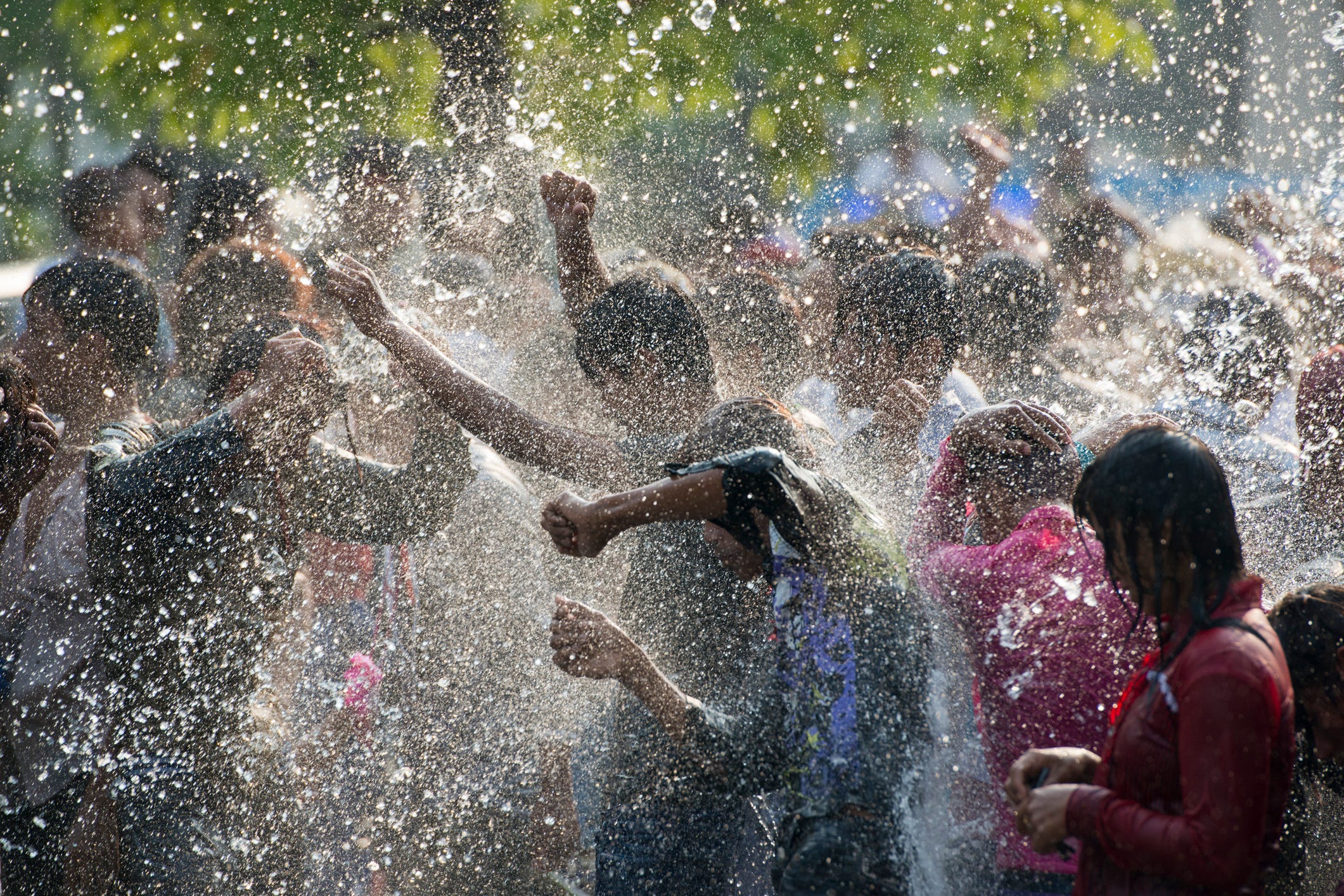
April used to be my favourite month when I was growing up: school was over (our school year ran from June to March) and my favourite festival - Thingyan - was just around the corner.
Thingyan usually falls between April 13 and 16, during the hottest month of the year, and revellers spend multiple days throwing water at each other before ushering in the new year. The water symbolises washing away the sins and the bad luck of the past year, and welcoming clean, cool beginnings. There are similar Buddhist festivals in Thailand, Cambodia, and Laos.
Today, Apr 17, marks the start of the Buddhist calendar year 1388 in Myanmar.
For years, we had a scrappy little pandal like this on the street outside our house in Yangon, with bamboo poles lashed together and coconut fronds for the roof. We filled plastic drums with water, and used cups, bowls, and buckets, to douse anyone who walked or drove past.
Later, it was upgraded into a proper wooden structure, with pipes connected to a tank of ice-cold water. As we got older, I got bolder: I swapped the pipes for no-si-khwet (a condensed milk can with the top cut off). Fill it half way, hold it just right, and with a flick of a wrist, it can land like a big, hard slap. It requires dedicated practice and should only ever be used on the body.
We’d start around 9 in the morning, spend hours soaking people in hardy vehicles that are built to withstand the onslaught, break for lunch, then start again in the late afternoon. Rinse and repeat for three days. Four in a leap year.
It was also one of the very few times in our conservative society when we could tease our elders: shouting “father-in-law”or “mother-in-law” at the parents of pretty women, and the parents have to grin and bear it. Fairly tame, but fun nevertheless.
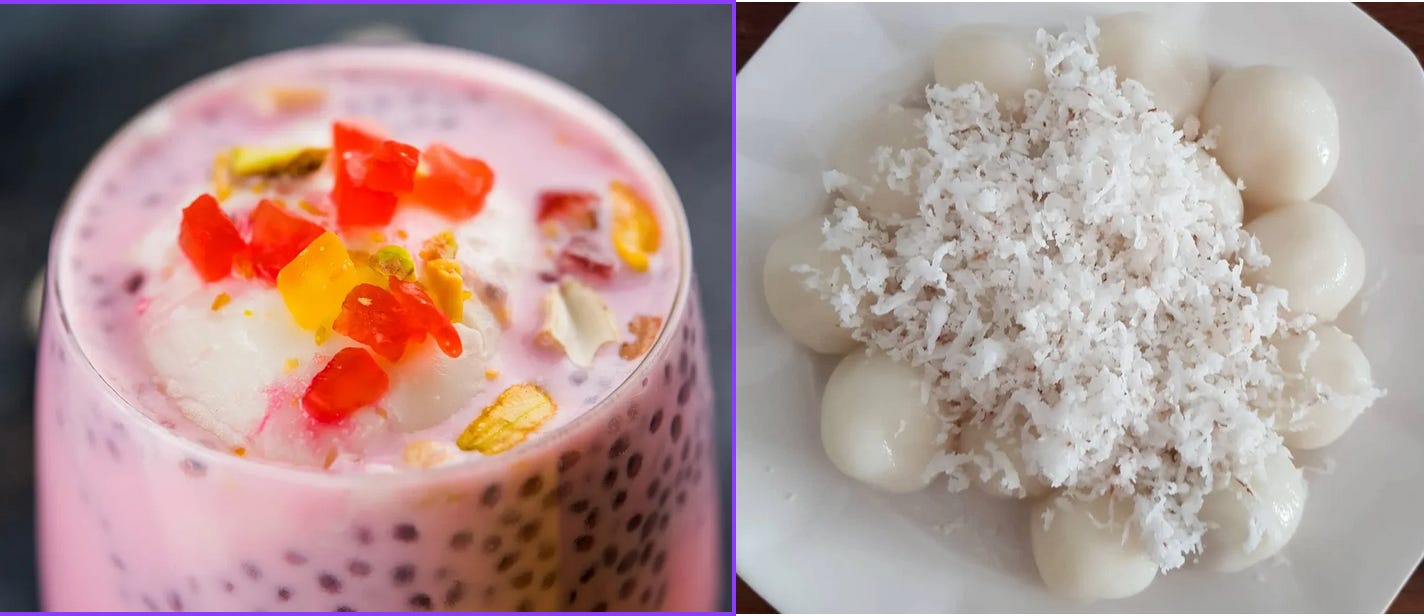
Food is central to Thingyan, because you need fuel to keep going for days.
In the mornings, we’d wolf down mont lone yay baw while playing. Literally translated as round dough floating on water, these glutinous rice balls are a traditional Thingyan snack.
Lunch was a home-cooked spread that usually includes a fragrant curry built on ginger, tomatoes, and shallots; a tamarind-laced sour soup with varying greens; a tangy salad with plenty of fresh lime and coriander or a sweeter one with peanuts and garlic oil; and a vegetable stir-fry.
This was often followed by my mother’s famous faluda, a Persian-inspired, maximalist dessert of colourful jellies, custard, ice cream, milk, sugar, and rose water.
If my recollections sound rose-tinted, it’s because I was fortunate, cocooned as I was in my extended family’s embrace and able to overlook - or forget - that I was growing up in an isolated military dictatorship.
There are darker sides to the festival, too, especially among groups in hired vehicles travelling between pandals: drugs, alcohol, groping and sexual harassment, and fights and accidents fuelled by both.
The last time I experienced Thingyan was exactly a decade ago, during the heyday of Myanmar’s opening, when it felt like we were moving forward, not backwards.
These days, April is when nostalgia settles in.
Thingyan Among Strangers
For several reasons, the nostalgia feels particularly sharp this year.
Firstly, Min Aung Hlaing, the architect of the coup, has installed himself as Myanmar’s president, five years after illegally seizing power and plunging the country into civil war. This followed a stage-managed election held between Dec 2025 and Jan 2026, covering only parts of the country, and widely dismissed as neither free nor fair.
More than one-third of the new cabinet members, including Min Aung Hlaing himself, is under international sanctions, according to Myanmar Now.
Secondly, I couldn’t help but contrast this with Hungary’s election results and the outpouring of joy that followed, remembering the first and only time in my life I’ve voted, when my vote counted.
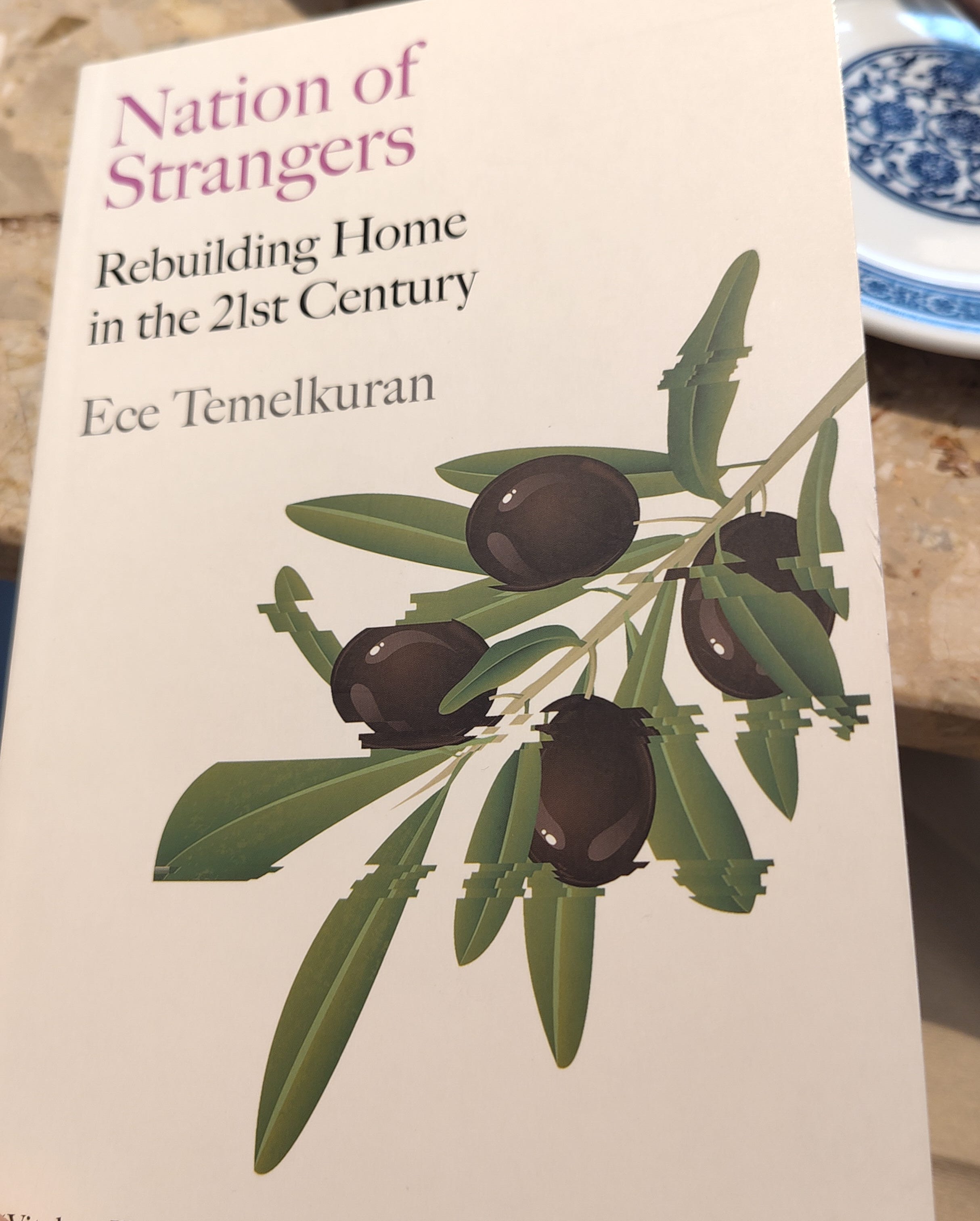
Thirdly, I’ve just started reading Nation of Strangers by Ece Temelkuran, which has stirred a flood of images, memories, and emotions. A friend and former editor recommended it and I’m devouring it, even during a week of 12-hour workdays.
Ece is a Turkish writer frequently at odds with the authorities, and eventually went into exile in 2016 to avoid arrest. She has since been warning the world about the slide of democracy and the rise of fascism.
Her eloquent and searing writing about being homeless - not only of losing a physical space where you were born and raised and had to leave for whatever reason, but also of political and emotional spaces - struck a deep chord. So did her accounts of working relentlessly, putting on an armour of calm, navigating the never-ending bureaucracy, and dealing with the guilt and shame of leaving.
“Some of us, like myself, buy a plane ticket and convince ourselves that we are willing fugitives, privileged immigrants or nonchalant nomads, telling ourselves we have no right to feel pain.”
I’m nowhere near as accomplished or important, and I fell foul of the Burmese authorities much later, but the emotional contours feel very familiar.
She also wrote: “what ostracises us and makes us homeless even when we are at home - the sense of being under siege from inhumanity, madness and brutality”.
I now recognise this feeling almost everywhere these days: among journalists of all stripes and speciality; among climate and social justice campaigners; among thinkers, writers, and academics.
I’ve now spent more of my life - and more Thingyans - outside of the country and community I was born into. At this point, I’m pretty certain my memories of both home and Thingyan are selective and burnished by distance and longing, but the one thing that has stayed constant throughout the years has been the comfort of food from home.
Finding Home in Food
Food is the one thread I could always pull, whenever I’m feeling unmoored. I’ve written before about ‘finding home in a bowl of noodles’ and my attempts to recreate the foods I grew up eating.
No matter how off-kilter my versions turn out to be, I still enjoy them, because they remind me of home and the people who make it home. Like Mike Shaikh said in last week’s issue, food is more than just calories; it’s a shared language.
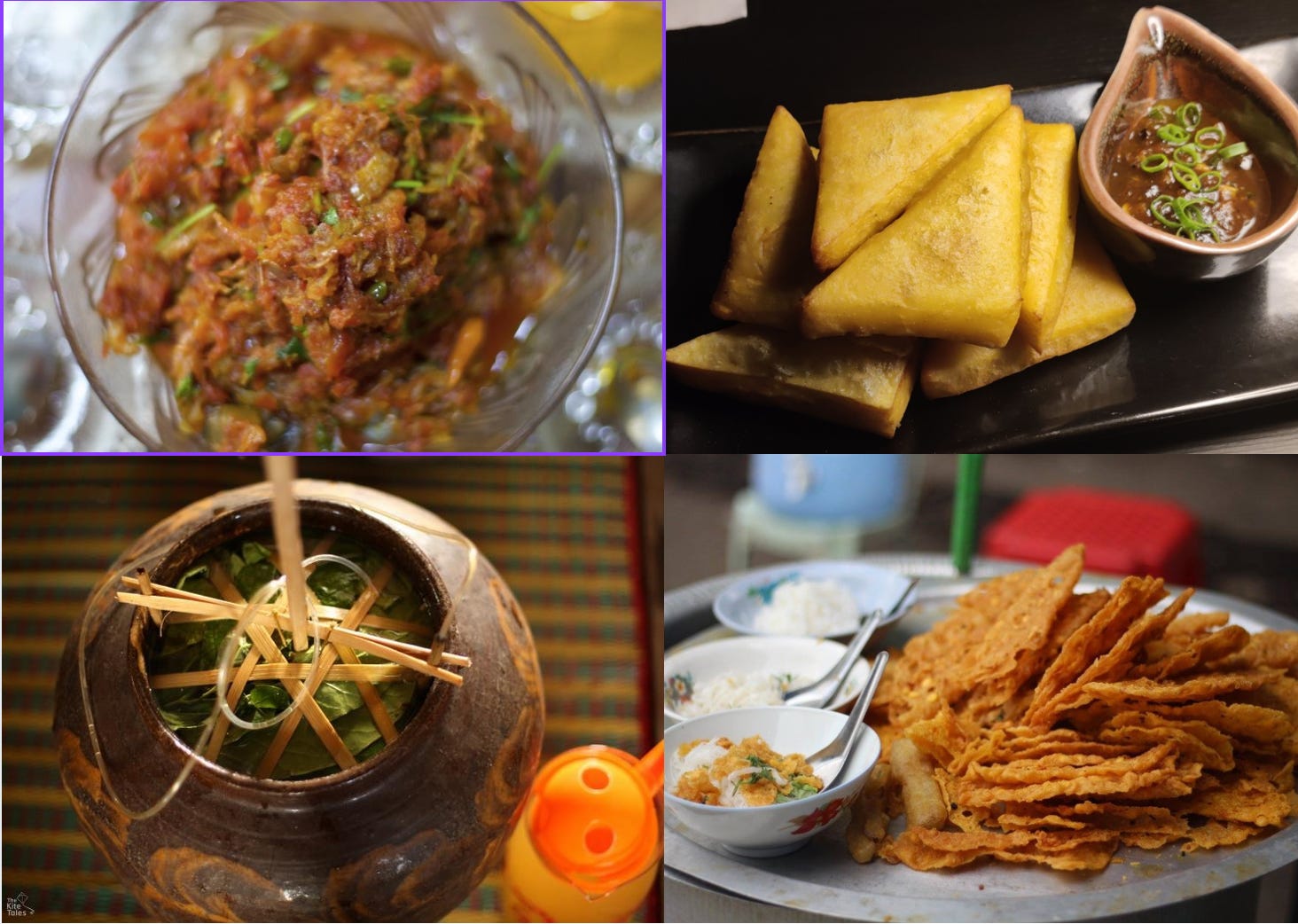
One of my favourite dishes is laphet thote (pickled tea leaf salad). It’s also the first dish I learned to make after leaving home, mainly because there’s practically no cooking involved.
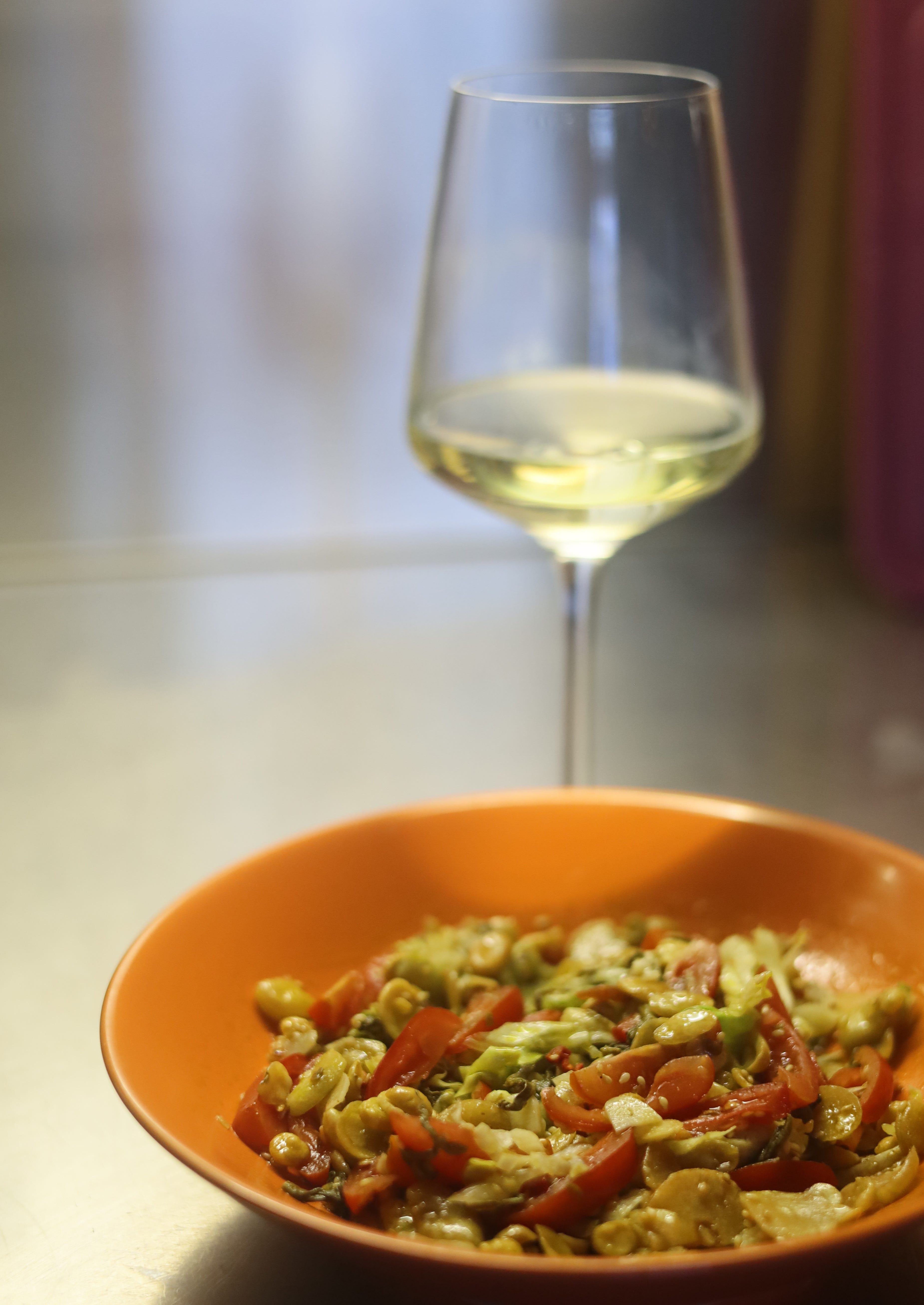
You mix the leaves with the pack of crispy nuts known as a kyaw - a crunchy blend of fried garlic, broad beans, yellow split peas, peanuts, and sesame seeds - that’s usually sold alongside it. Add sunflower oil, fish sauce, and lime juice to taste. That’s it.
When I became more confident of my cooking abilities, I’d throw in thinly-sliced garlic, roughly cut tomatoes, and shredded cabbage.
Making it was easy. Finding the ingredients wasn’t. Ever since I left home in 1998, I’ve made sure I never ran out of them, relying on friends and family to keep up the supplies.
Then, a few months after the 2021 coup, I found myself with two large bags of stale a kyaw. Just when I was in desperate need of some comfort after writing, reading and speaking non-stop about what’s happening back home.
“I was devastated. My inedible laphet thote felt like a metaphor for the country and the food I love slipping away from me. It is a privilege to be safe at a time when millions of my fellow citizens live in fear, but safety comes with a gut-wrenching feeling of impotence and survivor’s guilt,” I wrote in Nikkei Asia.
To me, laphet thote is more than its umami flavours and crunchy texture. It reminds me of late afternoons when the women in our extended household gathered around a shared bowl, with a pot of freshly brewed loose leaf tea and leftover rice.
I also love the symbolism of its ingredients: the best tea leaves come from the hilly Shan State in the country’s east, the legumes and nuts that make up the crispy bits from the central plains, and the rice from paddies in the Ayeyarwady Delta. It graces dining tables across the country, and is often served at celebrations, including weddings.
I still make it often, especially for friends unfamiliar with Burmese food. But there are dishes I can’t replicate, or can only approximate, so I’m always on the lookout for them.
Monhinga: the ginger-lemongrass-laced fish noodle soup, a national dish whose recipe varies depending on whether you’re eating it in Yangon, the Delta, Rakhine in the west, or central Myanmar.
Nga pi chet: the quintessential Burmese dish of fermented fish with shallots, tomatoes, and fresh chillies. Here’s a famous recipe from a great aunt.
Tohu thote: fresh Shan tofu made from yellow split peas is sliced and tossed in garlic oil, toasted chickpea flour, chilli, lime, and crispy garlic chips. Anyone who dislikes tofu hasn’t had this version and yes, I will die on this hill.
Kayah rice wine: a fixture in any Kayah household, the smallest state the country. Made with rice, and sometimes other grains, and fermented at least for a week. Here’s a recipe.
Anything with Naga pepper: almost every dish I ate in this remote region in western Myanmar has this spice, which provides a numbing and tingling sensation similar to Sichuan pepper. As a Naga friend once said, “It dances on your tongue.”
The memories of these dishes are what I carry across borders. If you come across any of them, try at least one. You might learn something about Myanmar, and also about what it means to keep a home alive in the only way you still can.

Thin’s Pickings
On Myanmar
For more on food and Thingyan, check out The Kite Tales’ Food & Drinks page or my previous issues here, here, and here.
“Where Even Flowers Stoke Fear”: This long piece from NYT’s Hannah Beech with beautiful - and at times heartbreaking - photos by Daniel Berehulak is well worth a read, covering a wide range of issues including last year’s earthquake and the daily terror faced by ordinary people.
On Hungary
“What happens to Britain’s radical right if Orbán loses?”: Dan Nolan’s piece for Democracy For Sale, published before the election, focused on British personalities, but the vivid picture it painted of the influence and largesse of Orban’s Hungary on right-wing politics is likely applicable elsewhere.
“What Orban’s Deafeat Means for the Rest of the World”: Michelle Goldberg’s op-ed from Budapest is a great read.
On Food, Climate, and Where They Meet
“Why Did the Frankenchicken Cross the Road? How Megafarms Came For a Polish Village”: Wojciech Oleksiak’s piece is deeply reported, beautifully written, and both heartbreaking and inspiring.
“Soy expansion displaces rice, beans and cassava crops across the Amazon frontier”: How agribusiness expansion affected traditional crops, by Julia Dolce.
“Detoxing my life, resentfully”: I share many of Emily Atkin’s thoughts “on plastic, power, and personal responsibility”.

As always, please feel free to share this post and send tips and thoughts on bluesky @thinink.bsky.social, mastodon @ThinInk@journa.host, my LinkedIn page, twitter @thinink, or via e-mail thin@thin-ink.net.
Always love your writing- will read the book you recommended. Sorry we didn’t get to do Kite Tales as a book. Narisa